PAIRS
Most birds pair up
Social monogamy with both parents caring for the young is the commonest mating system in birds, found in about 81% of species.
See the numbersWHAT THE STUDIES SHOW
Most birds raise their young as a pair.
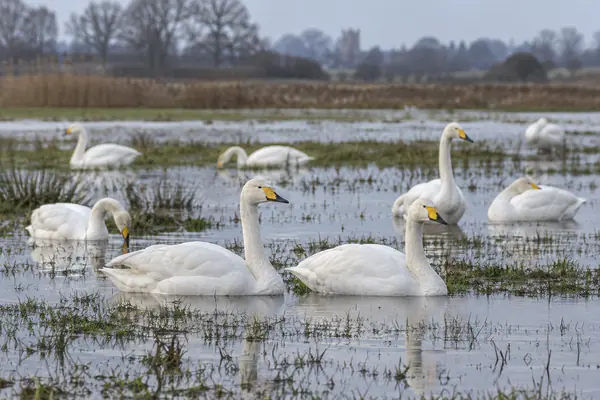
Some, like Bewick's swans, stay together for decades. But long-term studies show birds do sometimes split up, and DNA tests found many chicks in faithful-looking pairs have another father.
21 YEARS the longest swan pair
THE SHORT ANSWER
Living as a pair and only breeding with each other are not the same thing.
Researchers call them social and genetic monogamy.
PAIRS
Social monogamy with both parents caring for the young is the commonest mating system in birds, found in about 81% of species.
See the numbersSWANS
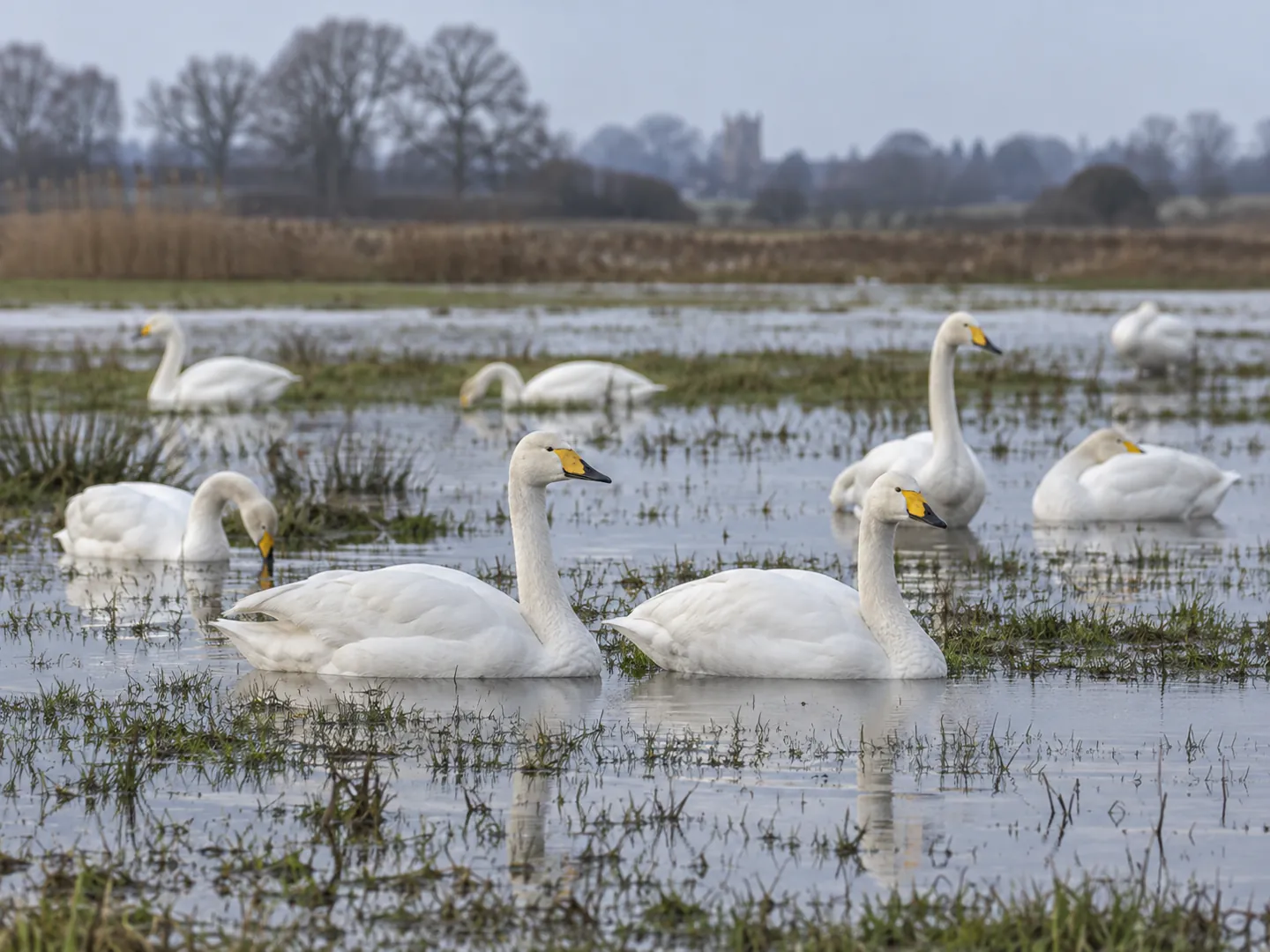
WWT has watched Bewick's swans at Slimbridge since 1964. They usually mate for life, and the longest recorded pair stayed together for 21 years.
Compare the birdsALBATROSSES
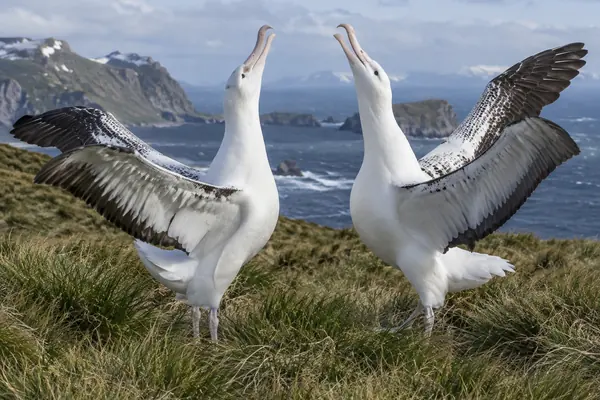
In one study, black-browed albatross divorce rose from 1–3% to as high as 8% in years with unusually warm water.
Why they splitHOW OFTEN DO PAIRS SPLIT?
Choose a bird to see what long-term studies found about pairs breaking up while both birds were alive. The bar shows how often it happened.
Figures come from different studies measured in different ways (per year, or over a lifetime), so compare them with care.
TWO NUMBERS WORTH KNOWING
One figure for how common pairing is,
one for what DNA tests found inside those pairs.
≈ 81%
Bird species that are socially monogamous with both parents caring
A 2019 review in Molecular Ecology describes social monogamy with biparental care as the most prevalent mating system in birds, found in about 81% of species.
PAIRING · REVIEW, 2019
76%
Socially monogamous species where extra-pair chicks were found
Across 255 socially monogamous species studied, chicks fathered by a male outside the pair were detected in 76%. Where it occurred, on average 19% of offspring had an extra-pair father.
DNA TESTS · REVIEW, 2019
The level varies widely: in 30% of these species extra-pair chicks were rare, found in under 5% of broods.
SEE PAIRS FOR YOURSELF
You can see pair behaviour on almost any stretch of fresh water in the UK. A few things to watch for, from RSPB and WWT.
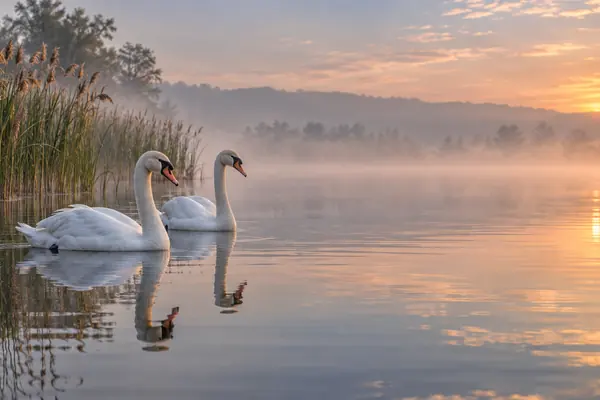
Mute swans live in the UK all year and can be seen on lakes, rivers, canals and park ponds. Breeding pairs defend their patch.
In the breeding season mute swans are very protective and may hiss loudly if disturbed, especially near their young.
Newly hatched cygnets often ride on their parents' backs for warmth, protection and to save energy.
Bewick's swans fly about 2,500 miles to reach Slimbridge. WWT tells them apart by their black and yellow bill patterns.
WHY BIRDS SPLIT
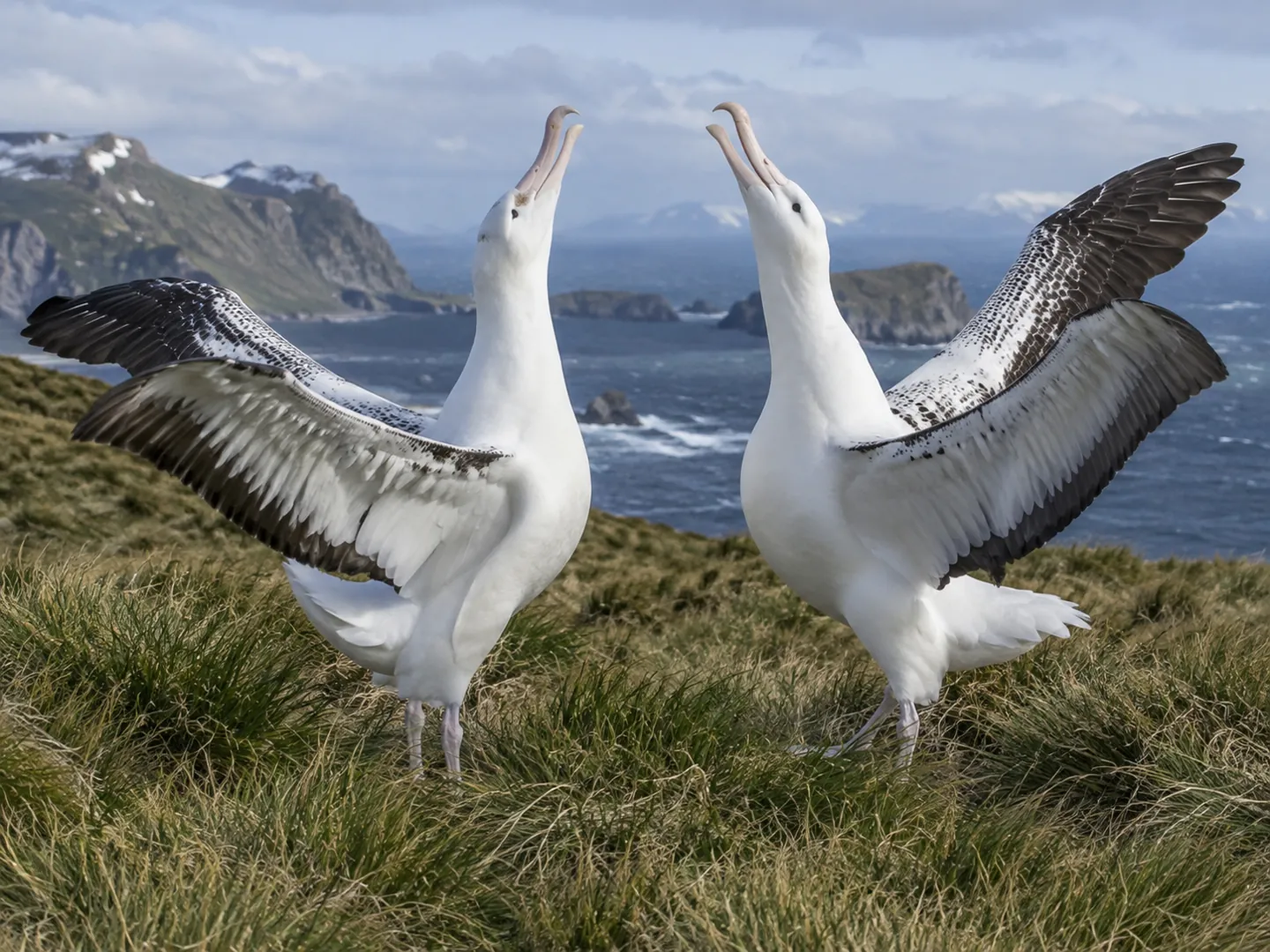
Researchers describe two kinds of divorce. In adaptive divorce, a bird leaves to find a better mate and raise more young. In forced divorce, an intruder breaks up a pair. Among wandering albatrosses, the shyest males were up to twice as likely to divorce as bolder rivals.
Conditions matter too. In black-browed albatrosses, warm-water years meant less food nearby and longer foraging trips, and some birds returned to find their partner had moved on. Wandering albatrosses did not raise more chicks after divorcing.
Questions
Bewick's swans studied by WWT usually do, and re-pair only if their partner dies. WWT recorded just two divorces in 50 years of research involving 4,000 swan pairs, and one pair stayed together for 21 years.
Very common. A 2019 review describes social monogamy with both parents caring for the young as the most prevalent mating system in birds, found in about 81% of species.
Not always. DNA studies found chicks fathered outside the pair in 76% of socially monogamous species tested, though in many species it was rare.
Sometimes an intruding male breaks up a pair, which researchers call forced divorce. In black-browed albatrosses, divorce rose in warm-water years, when food was harder to find and trips were longer.
Wandering albatrosses are known to live for over 60 years, according to University of Liverpool researcher Dr Samantha Patrick, and pairs go through a long bonding phase with complex courtship dances.
Sources
ABOUT THIS NAME
doodlepair.com is part of the DoodleSale portfolio. It isn't in an auction right now, but you can ask about leasing it.